Another successful morning thanks to the efforts of the volunteers.
Sally Kerin took charge of the orchard area, assisted by Bob Gomes, brush cutter, Marion Ripley, Angela Smith and Andy freeman. Another large area has been cleared and piled ready for the bonfire in October.
Noel Perkins manned the punt by the long bridge to access the tree that had fallen in the water. This was cut up and brought to the bank for disposal by Kieran Kerin and Anthony Hall.
.See the useful links tab/page for links to other websites that contain a lot of information of relevance to the allotments. The National Allotment Society and Hotwell & District Allotments Association Ltd sites are packed full of advice and information. Wildlife on allotments is a Natural England site that provides general information and lots of information on the wildlife that can be found on allotments. The National Allotment Society magazine is a good read and has useful tips and advice for plot holders.
As the spring progresses we can look forward to seeing more insects on the wing on warm sunny days, though we are a tad short of these at present! This article describes some of the first bees to appear in spring. The next will feature spring butterflies.
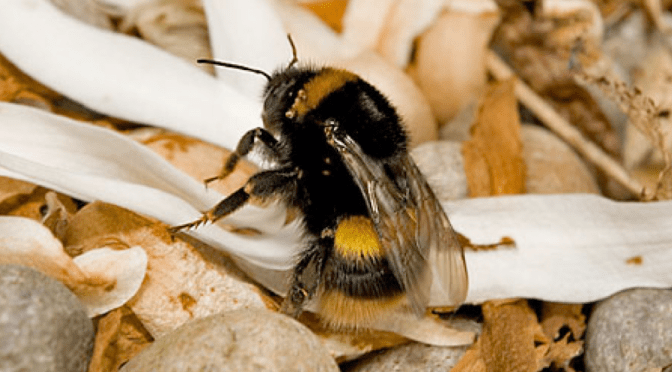
In mild winters the first bumblebees may be seen as early as late February but in most years the majority of queens that have hibernated during the winter emerges in March and April. The Buff-tailed Bumblebee (above) and the Large Red-tailed Bumblebee are two species that are the earliest to emerge and both may be seen on the allotments now. The Buff-tailed Bumblebee has dull yellow bands across the middle of the body (on the front of the thorax and abdomen) and a buff tip to the tail. The Large Red-tailed Bumblebee queen has a black body apart from the last few segments of the body that are red, hence the name. Continue reading Some Early Spring Bees→
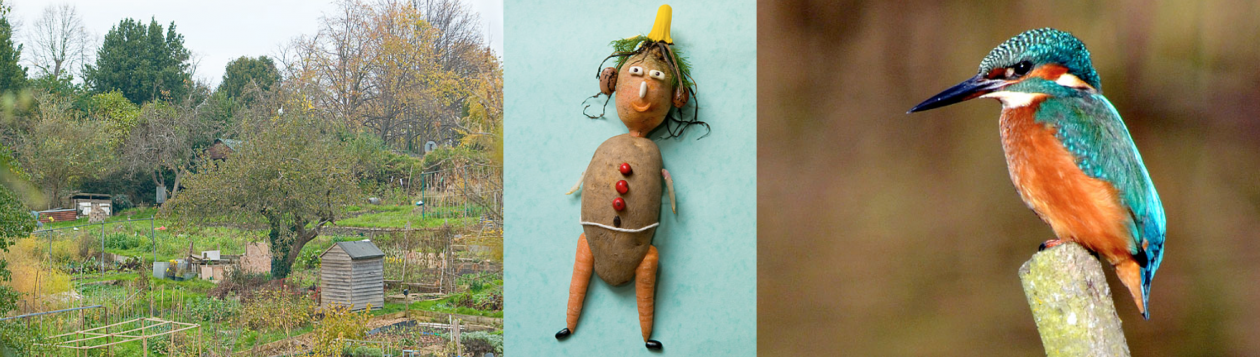
The most picturesque allotments in south-east England. A haven not just for gardeners but also for bees, butterflies and birds, particularly waterfowl.


 Stonebridge Allotment Society